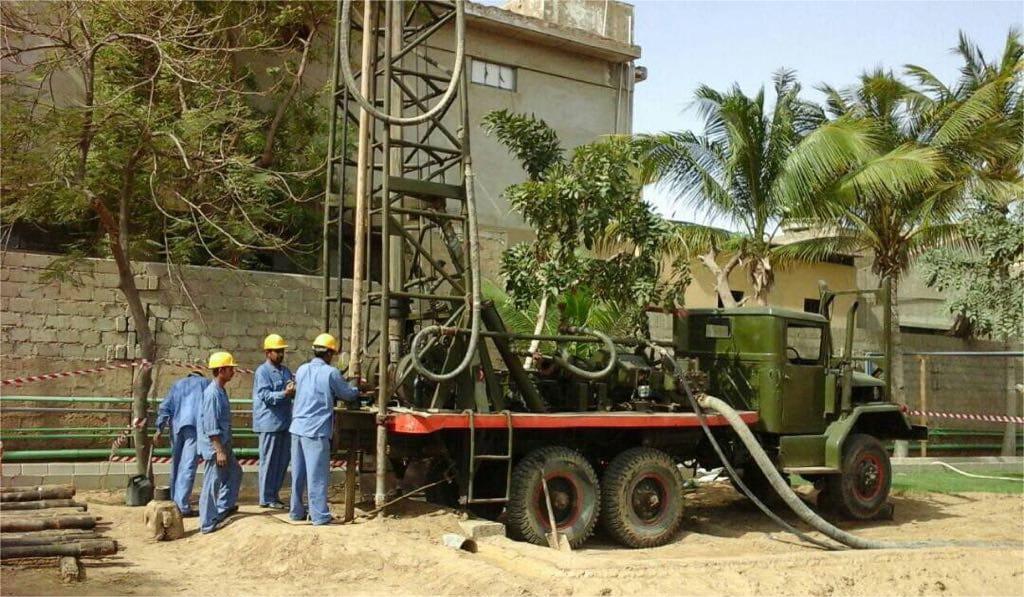
Borehole vs Tube Well Which One Should You Choose in Pakistan
Introduction to Boreholes and Tube Wells
Water is a basic need for homes, farms, and industries. Understanding the borehole vs tube well Pakistan comparison is key to making the right choice. In many parts of Pakistan, people depend on underground water because surface water is not always available. When it comes to accessing groundwater, two common options are used. These are boreholes and tube wells. Many people get confused between the two. They may look similar, but they are designed for different purposes. Choosing the right option is very important. It affects cost, water supply, and long term performance.
Both systems are used across Pakistan, but the right choice depends on location, usage, and ground conditions. In this guide, everything is explained in a simple way so you can understand the difference and make the right decision.
What Is a Borehole
A borehole is a narrow and deep hole drilled into the ground to reach water. It is usually smaller in diameter compared to a tube well. Boreholes are commonly used for residential and small scale use. They are drilled using modern machines and can go very deep depending on water level.
A pipe is installed inside the borehole to keep it stable. A submersible pump is placed inside to bring water to the surface. Boreholes are known for providing clean water because they often reach deeper underground sources.
In Pakistan, boreholes are commonly used in homes, small buildings, and areas where space is limited.
What Is a Tube Well
A tube well is a larger system designed for high water usage. It has a wider diameter compared to a borehole. It is mainly used for agriculture and large scale water supply. Tube wells are often installed in farms where a large amount of water is needed for irrigation.
Tube wells usually operate with powerful pumps. These pumps can extract large volumes of water quickly. The system is designed to run for long hours without stopping.
In Pakistan, tube wells are widely used in rural areas and agricultural land where water demand is high.
Key Difference Between Borehole and Tube Well
The main difference lies in size, usage, and capacity. Boreholes are smaller and designed for limited use. Tube wells are larger and built for heavy usage.
Boreholes are suitable for homes and small projects. Tube wells are suitable for farms and industries. Boreholes use smaller pumps, while tube wells require more powerful systems.
Another difference is water output. Boreholes provide moderate water flow. Tube wells provide high water flow. This makes tube wells better for large scale operations.
Understanding these differences helps in selecting the right option based on your needs.
Depth and Water Access Differences
Boreholes are usually deeper than tube wells. They are drilled to reach clean and stable water sources. Deeper water is less affected by seasonal changes. This makes boreholes more reliable for long term use.
Tube wells are often shallower compared to boreholes. They focus on extracting large volumes of water rather than reaching deeper sources. In some cases, tube wells may face water shortage during dry seasons.
In Pakistan, groundwater levels vary by region. In areas where water is deep, boreholes are a better choice. In areas with shallow water, tube wells can work effectively.
Cost Comparison Between Borehole and Tube Well
Cost is an important factor when choosing between the two. Boreholes usually have a higher drilling cost because they go deeper. They also require advanced equipment.
Tube wells may have lower drilling cost, but they require powerful pumps and larger systems. This increases operational cost over time.
Maintenance cost also differs. Boreholes generally require less maintenance if installed properly. Tube wells may need more maintenance due to heavy usage.
The total cost depends on location, depth, and water requirements. It is always better to choose based on long term value rather than just initial cost.
Water Quality and Reliability
Water quality is another important factor. Boreholes often provide cleaner water because they access deeper sources. These sources are less exposed to contamination.
Tube wells may draw water from upper layers. In some cases, this water may contain impurities. Proper filtration may be required.
Reliability is also important. Boreholes provide steady water supply throughout the year. Tube wells may face fluctuations depending on groundwater levels.
In Pakistan, where water quality can vary, boreholes are often preferred for residential use.
Space and Installation Requirements
Boreholes require less space. They can be installed in small areas such as homes and buildings. This makes them ideal for urban locations.
Tube wells require more space. They are usually installed in open areas such as farms. The equipment and pump system also take up more space.
Installation complexity also differs. Boreholes require precise drilling and proper casing. Tube wells require larger setup and pump installation.
Choosing the right option depends on available space and project type.
Which One Is Better for Your Needs
The choice between borehole and tube well depends on your requirement. If you need water for home use, a borehole is usually the better option. It provides clean and reliable water with less maintenance.
If you need water for farming or large scale use, a tube well is more suitable. It can handle high water demand and continuous operation.
Soil conditions and groundwater level also play a role. That is why professional assessment is always recommended before making a decision.
Common Mistakes When Choosing Water Systems
Many people choose based only on cost. This can lead to problems later. A cheaper option may not meet long term needs.
Another mistake is skipping soil testing. Without understanding ground conditions, the system may not work properly.
Some people also ignore water demand. Choosing a small system for large usage can lead to failure.
Proper planning helps avoid these mistakes. It ensures that the system works efficiently for years.
Role of Professional Services in Selection
Choosing between borehole and tube well is not always easy. It requires understanding of soil, water level, and usage needs. Professional services help in making the right decision.
Experts analyze the site and recommend the best option. They also ensure proper installation and setup. This improves performance and reduces future issues.
In Pakistan, local expertise is very important. Ground conditions vary widely. Professionals with experience can provide better solutions.
Final Thoughts
Boreholes and tube wells both provide access to underground water. But they are designed for different purposes. Boreholes are best for homes and small use. Tube wells are best for agriculture and large scale needs.
Choosing the right system ensures reliable water supply. It also saves cost and avoids future problems. Proper planning and professional guidance make a big difference.
Understanding your needs and ground conditions is the first step. Once that is clear, the right solution becomes easy.
Get the Right Water Solution for Your Project
CDC Pakistan provides expert solutions for both borehole and tube well systems. With over 15 years of experience, every project is handled with proper planning and modern equipment. Ground conditions are carefully analyzed to recommend the best option. Whether it is residential use or large scale water supply, reliable solutions are provided across Pakistan. Contact today to get started with the right system.