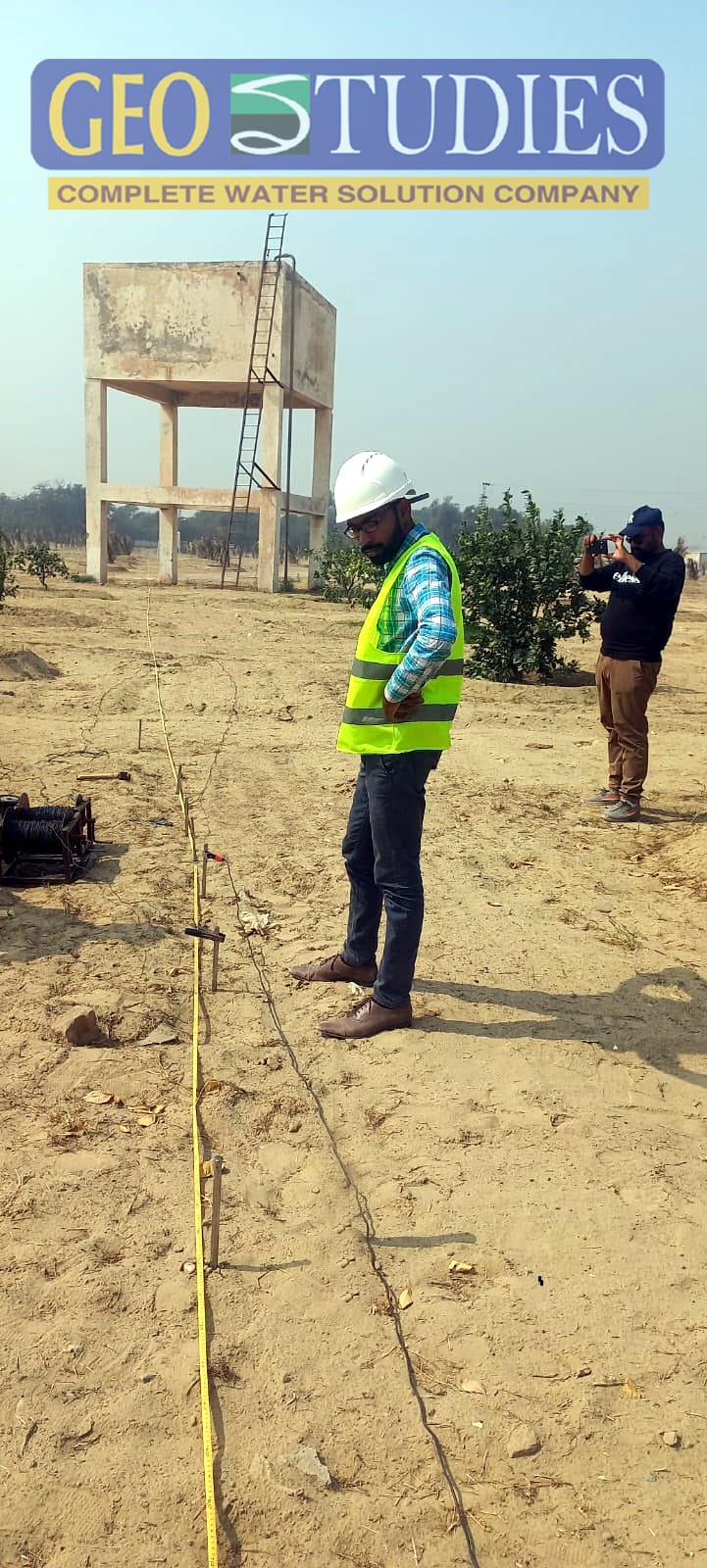
Complete Guide to Construction Site Preparation in Pakistan
Introduction to Construction Site Preparation
Every construction project starts long before the first brick is placed. Construction site preparation Pakistan is the foundation of every successful build. The real work begins with preparing the site. This step is often ignored or rushed, but it is one of the most important parts of construction. A properly prepared site makes the entire project smooth and safe. A poorly prepared site leads to delays, extra costs, and structural problems.
In Pakistan, construction conditions can be challenging. Soil types vary, weather conditions change, and ground stability is not always reliable. Because of this, proper site preparation becomes even more important. It includes soil testing, land clearing, leveling, and planning foundation work such as piling. Each step plays a role in building a strong and stable structure.
What Construction Site Preparation Means
Construction site preparation is the process of getting land ready for building. It involves removing obstacles, studying the ground, and making the surface suitable for construction.
This process includes clearing vegetation, removing debris, leveling the ground, and testing soil. It also involves planning drainage and access routes for machinery.
The goal is simple. The site should be safe, stable, and ready for construction. When this is done properly, the rest of the project becomes easier.
Importance of Soil Testing Before Site Work
Soil testing is the first and most important step in site preparation. It helps understand the strength and condition of the ground.
Different areas in Pakistan have different soil types. Some areas have loose soil. Some have clay. Some have water close to the surface. These conditions affect how the building will be constructed.
Soil testing provides accurate data. It helps engineers design the foundation correctly. It also helps in deciding whether piling is needed.
Skipping this step can lead to serious problems later. That is why soil testing should always be done before any site work begins.
Clearing and Removing Obstacles
Once testing is done, the next step is clearing the site. This includes removing trees, bushes, rocks, and any existing structures.
Debris and waste materials are also removed. This creates a clean surface for construction.
Proper clearing is important because obstacles can affect foundation work. They can also interfere with machinery and delay progress.
In urban areas of Pakistan, site clearing may also include removing old construction materials. This step ensures that the site is ready for the next stage.
Land Leveling and Ground Preparation
After clearing, the ground is leveled. Uneven land can cause problems in construction. It can affect foundation stability and drainage.
Leveling ensures that the surface is even and compact. It prepares the site for foundation work.
Compaction is also done during this stage. It increases soil density and improves strength. This helps in supporting the structure.
Proper leveling and compaction create a strong base for construction.
Drainage Planning and Water Management
Water is one of the biggest challenges in construction. Poor drainage can weaken the foundation. It can also cause flooding and damage.
During site preparation, drainage systems are planned. This includes creating slopes and channels for water flow.
In Pakistan, where some areas experience heavy rain and others have high groundwater levels, drainage planning is very important.
Proper water management protects the site and ensures long term stability.
Role of Piling in Site Preparation
In some cases, site preparation includes piling work. This is done when the soil is weak and cannot support the structure.
Piling transfers the load to deeper and stronger soil layers. It provides a stable foundation.
Soil testing helps determine whether piling is needed. If required, piling is done before the main construction begins.
Including piling in site preparation ensures that the structure will remain safe and durable.
Access Planning for Equipment and Workers
Construction requires heavy machinery and equipment. Proper access to the site is important for smooth operations.
Paths and entry points are planned during site preparation. This allows easy movement of equipment and materials.
Poor access can delay the project. It can also increase cost and reduce efficiency.
Planning access in advance helps avoid these issues.
Utility Planning and Safety Measures
Before construction begins, utility planning is done. This includes identifying existing water lines, gas lines, and electrical connections.
Proper planning prevents damage to these utilities during construction. It also ensures safety for workers.
Safety measures are also implemented during site preparation. This includes fencing the site and setting up warning signs.
These steps create a safe working environment and reduce risk.
Common Mistakes in Site Preparation
Many problems in construction start with poor site preparation. One common mistake is skipping soil testing. This leads to weak foundations.
Another mistake is poor leveling. Uneven ground affects stability and drainage.
Ignoring drainage planning is also a common issue. Water problems can damage the structure over time.
Lack of proper planning can cause delays and increase costs. Avoiding these mistakes improves project success.
Benefits of Proper Site Preparation
Proper site preparation provides many benefits. It ensures strong foundations and stable structures. It reduces risk and improves safety.
It also helps in smooth project execution. Delays are reduced and costs are controlled.
A well prepared site improves efficiency. It allows construction to move forward without interruptions.
In the long run, it increases the life of the building and reduces maintenance.
Site Preparation for Different Types of Projects
Different projects require different preparation methods. Residential projects may need basic preparation. Commercial and industrial projects require more detailed planning.
Large projects often involve extensive soil testing and piling. Smaller projects may focus on leveling and compaction.
Understanding project requirements helps in choosing the right preparation approach.
Importance of Professional Site Preparation Services
Site preparation is a technical process. It requires proper planning, equipment, and expertise.
Professional services ensure that each step is done correctly. They use advanced tools and follow best practices.
Experts understand local conditions in Pakistan. This helps in handling different soil types and challenges.
Choosing professional services improves project quality and reduces risk.
Final Thoughts
Construction site preparation is the foundation of any successful project. It ensures that the land is ready for building. It reduces risks and improves stability.
In Pakistan, where soil and environmental conditions vary, proper preparation is essential. It includes soil testing, leveling, drainage, and planning.
Skipping or rushing this step can lead to serious problems. Taking the time to prepare the site properly ensures long term success.
Start Your Project with Proper Ground Preparation
CDC Pakistan provides complete site preparation services across Pakistan. With over 15 years of experience, each project is handled with proper planning and modern equipment. Soil testing, piling, and ground preparation are done with precision and care. Whether it is a small project or a large construction site, the right start ensures strong results. Contact today to begin your project with confidence.