What Is Piling and Why It Is Used in Construction in Pakistan
Introduction to Piling in Construction
When a building is planned, most people focus on what will be seen above the ground. The design, walls, and structure get all the attention. But the most important part of any building is hidden below the ground. This is the foundation. If the foundation is weak, the entire building is at risk. This is where piling becomes important. It is used when the surface soil is not strong enough to support the structure. Piling helps transfer the weight of the building to deeper and stronger layers of soil. In Pakistan, many areas have weak or uneven soil. Because of this, piling is widely used in residential, commercial, and industrial projects.
Piling is not just a construction method. It is a safety solution. It ensures that buildings remain stable for many years. Without proper piling, structures may sink, tilt, or develop cracks over time. That is why this process is considered essential in many construction projects across the country.
What Is Piling and How It Works
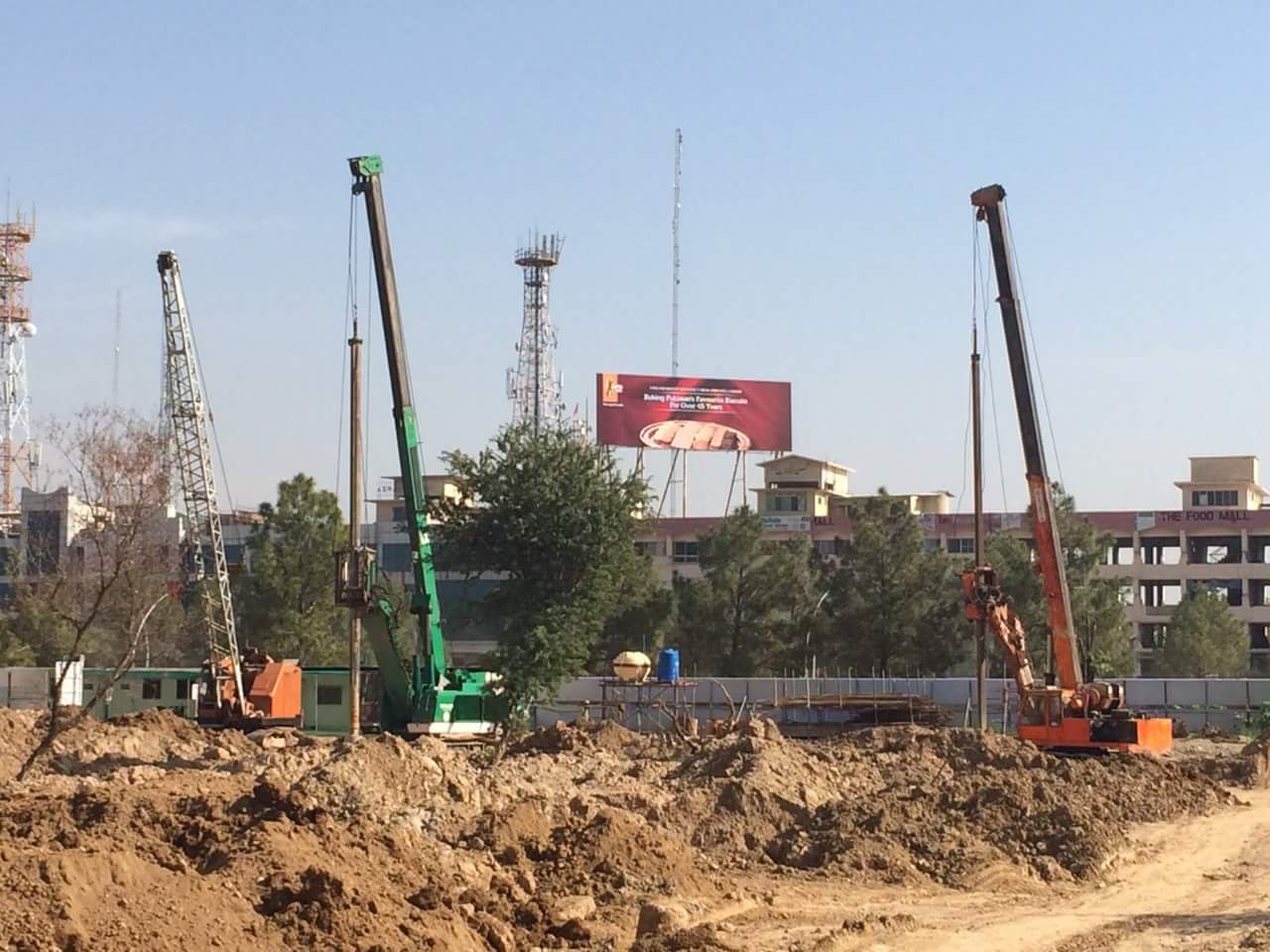
Piling is a foundation technique where long columns are driven deep into the ground. These columns are called piles. They are made of concrete, steel, or sometimes a combination of both. The piles are placed into the ground using heavy machinery. Once installed, they support the structure by carrying its load to stronger soil layers below.
The basic idea is simple. If the top soil is weak, the load is transferred to deeper soil that can handle more weight. This creates a strong and stable base for the building. Piles act like pillars inside the ground. They hold the structure firmly and prevent movement.
Different types of piles are used depending on soil conditions and project requirements. The method used for installation also depends on the type of ground.
Why Piling Is Needed in Pakistan
Pakistan has a wide range of soil conditions. Some areas have soft clay. Some have sandy soil. Some areas have high water levels. These conditions can make construction difficult. Weak soil cannot support heavy loads. This is especially true for multi storey buildings.
In cities like Karachi and Lahore, soft soil is common in many locations. In such cases, shallow foundations are not enough. The building may settle unevenly. This can lead to cracks and structural damage.
Piling solves this problem. It provides deep support. It ensures that the building stands on strong ground, even if the surface soil is weak. That is why piling is commonly used in large construction projects across Pakistan.
Types of Piles Used in Construction
There are different types of piles used in construction. The choice depends on soil type and project needs. One common type is driven piles. These piles are pushed into the ground using force. They are usually made of concrete or steel.
Another type is bored piles. These are created by drilling a hole into the ground and then filling it with concrete. This method is used when the ground is too hard for driven piles.
There are also friction piles and end bearing piles. Friction piles transfer load through friction with the surrounding soil. End bearing piles transfer load directly to a strong layer deep in the ground.
Each type has its own use. Engineers decide the best option based on soil testing results.
Role of Soil Testing Before Piling
Soil testing is always done before piling. It helps understand the ground conditions. It shows how deep the strong soil layer is. It also helps in deciding the type and length of piles.
Without soil testing, piling cannot be done correctly. The piles may not reach the right depth. This can reduce their effectiveness. It can also lead to structural problems later.
Testing provides accurate data. It helps engineers design the foundation properly. This ensures safety and stability for the building.
Piling Process Step by Step
The piling process starts with site preparation. The area is cleared and marked. Then drilling or driving equipment is brought to the site.
If bored piles are used, a hole is drilled into the ground. The depth depends on soil conditions. Once the hole is ready, reinforcement steel is placed inside. After that, concrete is poured to form the pile.
If driven piles are used, the piles are pushed into the ground using heavy machinery. This process continues until the required depth is reached.
After installation, the piles are tested to ensure they can handle the load. Once approved, the foundation work continues on top of the piles.
Common Problems Without Proper Piling
If piling is not done when needed, several problems can occur. One common issue is uneven settling. This happens when different parts of the building sink at different rates. It creates cracks and weakens the structure.
Another problem is foundation failure. Weak soil cannot support heavy loads. Over time, the building may tilt or sink.
Water in the soil can also cause problems. It can weaken the foundation and reduce its strength. In some cases, it may lead to collapse.
These problems are costly to fix. They can also be dangerous. Proper piling helps avoid these risks.
Benefits of Piling in Construction
Piling provides strong support for buildings. It ensures that the load is transferred to stable ground. This increases the life of the structure.
It also allows construction on difficult soil. Areas that were once unsuitable for building can now be used safely.
Piling improves safety. It reduces the risk of structural failure. It also helps in handling heavy loads in large projects.
Another benefit is durability. Buildings with proper piling require less maintenance over time. This saves money in the long run.
Piling for Different Types of Projects
Piling is used in many types of projects. In residential construction, it is used for houses built on weak soil. In commercial projects, it supports multi storey buildings.
Industrial projects also use piling. Factories and warehouses require strong foundations to support heavy machinery.
Bridges and infrastructure projects rely heavily on piling. It provides stability in areas with water or soft ground.
Each project has different requirements. Piling is designed accordingly to meet those needs.
Importance of Professional Piling Services
Piling is a technical process. It requires proper planning and execution. Professional services ensure that the work is done correctly.
Experts understand soil conditions. They use the right equipment and methods. They also follow safety standards.
Professional piling reduces risks. It ensures that the foundation is strong and reliable. It also improves the overall quality of construction.
In Pakistan, choosing experienced professionals is very important. Local knowledge helps in handling different soil conditions effectively.
Final Thoughts
Piling is a critical part of modern construction. It provides strength and stability to buildings. It is especially important in areas with weak soil.
Without proper piling, structures can face serious problems. With correct piling, buildings remain safe and durable for many years.
Understanding the role of piling helps in making better construction decisions. It ensures that projects are built on a strong foundation.
Build Strong Foundations with Expert Piling Services
CDC Pakistan provides reliable piling services across Pakistan. With over 15 years of experience, every project is handled with proper planning and modern equipment. Soil conditions are carefully studied to ensure the right foundation solution. Whether it is a residential project or a large construction site, strong foundations start with the right expertise. Contact today to build with confidence.