What Happens If You Skip Soil Testing Before Construction in Pakistan
Introduction to the Risks of Skipping Soil Testing
Many construction projects begin with excitement. The risks of skipping soil testing Pakistan are serious and often underestimated. The land is purchased. The design is ready. Work is about to start. At this stage, some people try to save time or cost by skipping soil testing. It may seem like a small step, but it is one of the most important parts of construction. The ground may look stable from the surface, but its real condition is hidden below. Without proper testing, the structure is built on guesswork instead of facts.
In Pakistan, soil conditions are very different in each region. Some areas have soft soil. Some have clay. Some have high water levels. These conditions cannot be judged by appearance. Soil testing provides real data. It helps in making the right decisions. When this step is skipped, the risk of failure increases. This guide explains what can go wrong when soil testing is ignored.
Weak Foundations and Structural Instability
The most serious problem caused by skipping soil testing is a weak foundation. Every building depends on its foundation for strength. If the soil cannot support the load, the foundation becomes unstable.
Without testing, engineers do not know how much weight the soil can handle. They may design a foundation that is too shallow or too weak. Over time, the building starts to show signs of damage.
Cracks may appear in walls and floors. Doors and windows may stop working properly. In severe cases, the structure may become unsafe. These issues are not easy to fix. They require expensive repairs and can delay the use of the building.
Uneven Settling of the Building
Uneven settling is another common issue. This happens when different parts of the building sink at different rates. It creates imbalance in the structure.
This problem occurs when soil conditions are not uniform. One part of the ground may be strong. Another part may be weak. Without soil testing, this difference is not identified.
As the building settles unevenly, cracks develop. Floors may become slanted. Structural stress increases. Over time, this can lead to serious damage.
In Pakistan, uneven soil conditions are common. That is why soil testing is necessary to prevent this problem.
Water Related Damage to Foundations
Water in the soil can cause major issues. Some areas in Pakistan have high groundwater levels. Some soils hold water easily. Without testing, these conditions remain unknown.
Water weakens the soil. It reduces its ability to support weight. It can also cause erosion under the foundation. This leads to instability.
Moisture can also damage building materials. It can cause corrosion in steel and reduce the strength of concrete. Over time, this affects the durability of the structure.
Soil testing helps identify moisture levels. It allows proper planning to manage water related risks.
Incorrect Foundation Design
Foundation design depends on soil properties. Without testing, engineers must rely on assumptions. This often leads to incorrect design.
In some cases, the foundation may be overdesigned. This increases construction cost unnecessarily. In other cases, it may be underdesigned. This leads to failure.
Proper soil testing provides accurate data. It helps in designing the right foundation. This ensures safety and cost efficiency.
Skipping this step increases the chances of design errors. These errors can affect the entire structure.
Increased Construction Costs Over Time
Many people skip soil testing to save money. But this often leads to higher costs later. Problems that appear after construction are expensive to fix.
Repairing cracks, strengthening foundations, and fixing water damage can cost much more than the original testing. In some cases, reconstruction may be required.
Soil testing is a small investment compared to these costs. It helps avoid unexpected expenses. It ensures that the project stays within budget.
In the long run, skipping testing is not cost effective.
Delays in Construction Projects
Unexpected ground problems can cause delays. When issues are discovered during construction, work must stop. Engineers must reassess the situation.
This leads to changes in design and additional work. It increases project time and cost. Delays also affect planning and resource management.
Soil testing helps avoid these surprises. It identifies problems before construction begins. This allows smooth progress of the project.
In Pakistan, where construction timelines are often tight, avoiding delays is very important.
Risk to Human Safety
Safety is the most important aspect of any building. A weak structure puts lives at risk. Skipping soil testing increases this risk.
If the foundation fails, the entire building may be affected. In extreme cases, it may collapse. This can cause injury or loss of life.
Proper soil testing ensures that the building is safe. It helps in designing a stable structure that can handle load and environmental conditions.
Ignoring this step compromises safety. It is not worth the risk.
Legal and Compliance Issues
Construction projects must follow certain standards. In many cases, soil testing is part of these requirements. Skipping it can lead to legal issues.
If a building fails due to poor foundation, the owner or contractor may face legal action. Insurance claims may also be affected.
Proper documentation from soil testing helps prove that the project was done correctly. It protects all parties involved.
In Pakistan, compliance is becoming more important in construction. Soil testing helps meet these standards.
Impact on Property Value
A building with structural issues loses value. Cracks, uneven floors, and foundation problems reduce property worth.
Buyers and investors prefer properties that are safe and stable. If soil testing was not done, it becomes a concern.
Proper testing adds value. It shows that the building was constructed with care. It increases confidence for buyers.
Skipping this step can affect long term investment returns.
Role of Soil Testing in Preventing These Problems
Soil testing helps prevent all these issues. It provides clear information about ground conditions. It helps in making informed decisions.
Engineers use this data to design the foundation properly. It ensures that the structure is stable and durable.
Testing also helps identify risks early. It allows proper planning to manage those risks.
In Pakistan, where soil conditions vary widely, soil testing is essential for safe construction.
Why Professional Soil Testing Is Important
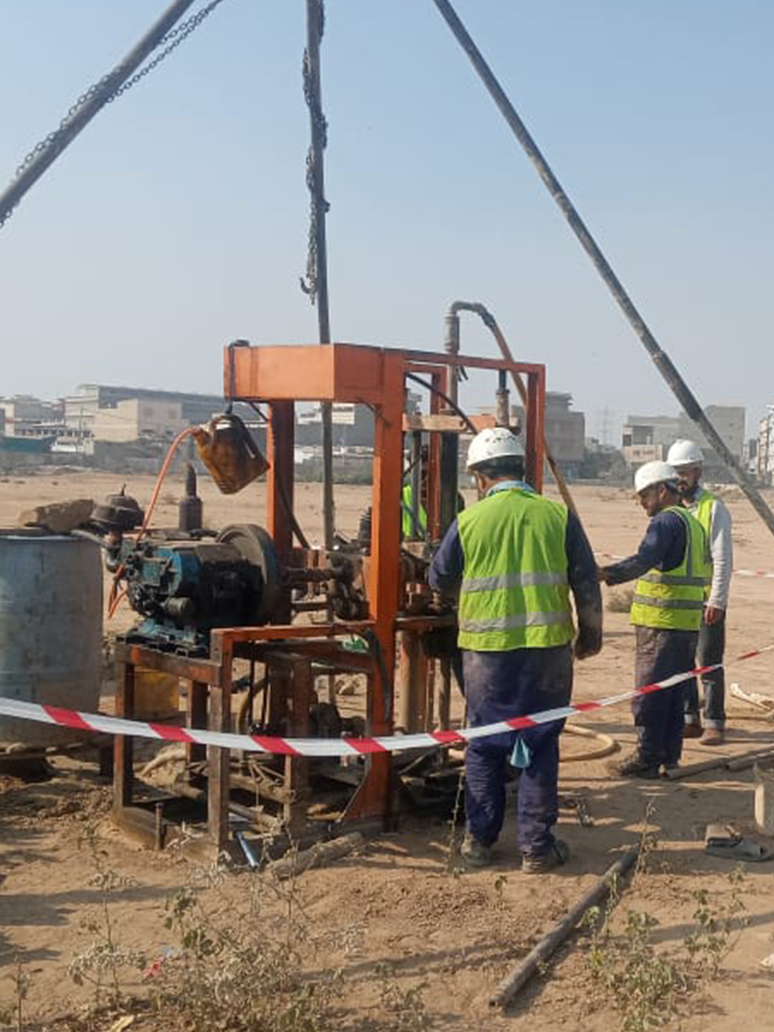
Soil testing must be done correctly. It requires proper equipment and expertise. Samples must be collected from the right locations and depths.
Professional services ensure accurate results. They provide detailed reports that help in decision making.
Experienced teams understand local soil conditions. This helps in providing better solutions.
Choosing professional services reduces risk and improves project quality.
Final Thoughts
Skipping soil testing may seem like a small decision, but it has serious consequences. It affects the foundation, structure, cost, and safety of the building.
In Pakistan, where ground conditions are unpredictable, soil testing is not optional. It is a necessary step for any construction project.
Proper testing ensures strong foundations, safe structures, and long term stability. It protects your investment and reduces future risks.
Start Your Project the Right Way
CDC Pakistan provides professional soil testing services across the country. With over 15 years of experience, each project is handled with proper analysis and expert care. Ground conditions are studied in detail to ensure safe and stable construction. Whether it is a small building or a large project, the right start begins with proper testing. Contact today to build with confidence.