Types of Soil Testing in Pakistan Explained in Simple Words
Introduction to Soil Testing Types
Before any construction begins, the ground must be understood properly. The surface may look normal, but the real condition lies underneath. This is why the types of soil testing Pakistan engineers rely on are so important. It helps engineers understand the strength and behavior of the soil. But soil testing is not just one single test. There are different types of tests. Each test gives specific information about the ground. Together, they help in making the right construction decisions.
In Pakistan, soil conditions vary widely. Some areas have soft clay. Some have sandy soil. Some have water under the surface. Because of this, different tests are used to study the soil properly. Understanding these tests in simple words helps you see why they are important before construction.
Why Different Soil Tests Are Needed
Soil is not the same everywhere. Even within the same site, conditions can change at different depths. One layer may be strong. Another layer may be weak. One layer may hold water. Another may be dry.
Because of this, one test is not enough. Different tests are used to check different properties of the soil. Some tests measure strength. Some check moisture. Some identify soil type.
Using multiple tests gives a complete picture. It helps engineers design a safe and stable foundation. Without these tests, construction becomes risky.
Bearing Capacity Test Explained
The bearing capacity test is one of the most important tests. It shows how much weight the soil can support. Every building puts load on the ground. If the soil cannot handle that load, the structure may fail.
This test helps determine how strong the soil is. It tells engineers whether the soil can support the planned building. If the soil is weak, deeper foundations or piling may be required.
In Pakistan, this test is commonly used for both residential and commercial projects. It plays a key role in foundation design.
Moisture Content Test and Its Importance
The moisture content test checks how much water is present in the soil. Water has a big impact on soil strength. Too much water can make soil weak. Too little water can make it hard and brittle.
This test helps understand how the soil will behave in different conditions. It is especially important in areas with high groundwater levels.
In Pakistan, many regions have varying moisture conditions. This test helps ensure that the foundation remains stable even when water levels change.
Grain Size Analysis Made Simple
Grain size analysis helps identify the type of soil. It shows whether the soil is sand, clay, silt, or a mix of these. Each type of soil behaves differently under pressure.
Sandy soil drains water quickly but may not hold structure well. Clay soil holds water and can expand or shrink. Silt has its own characteristics.
Knowing the soil type helps in choosing the right construction method. It also helps in selecting the right foundation design.
Compaction Test and Soil Strength
The compaction test checks how dense the soil is. Loose soil cannot support heavy structures. Compacted soil is stronger and more stable.
This test helps determine how much the soil needs to be compacted before construction. It ensures that the ground is prepared properly.
In construction projects across Pakistan, compaction is a key step. Properly compacted soil improves safety and durability.
Permeability Test and Water Flow
The permeability test checks how easily water can pass through the soil. Some soils allow water to flow quickly. Others block water.
This test is important for drainage and foundation stability. If water accumulates around the foundation, it can weaken the structure.
In areas with high rainfall or groundwater, this test becomes very important. It helps prevent water related problems in buildings.
Atterberg Limits and Soil Behavior
Atterberg limits are used to understand how soil behaves with different moisture levels. It shows how soil changes from solid to plastic to liquid state.
This test is especially useful for clay soil. Clay can expand when wet and shrink when dry. This movement can damage structures.
Understanding these limits helps engineers design foundations that can handle these changes.
Standard Penetration Test in Field
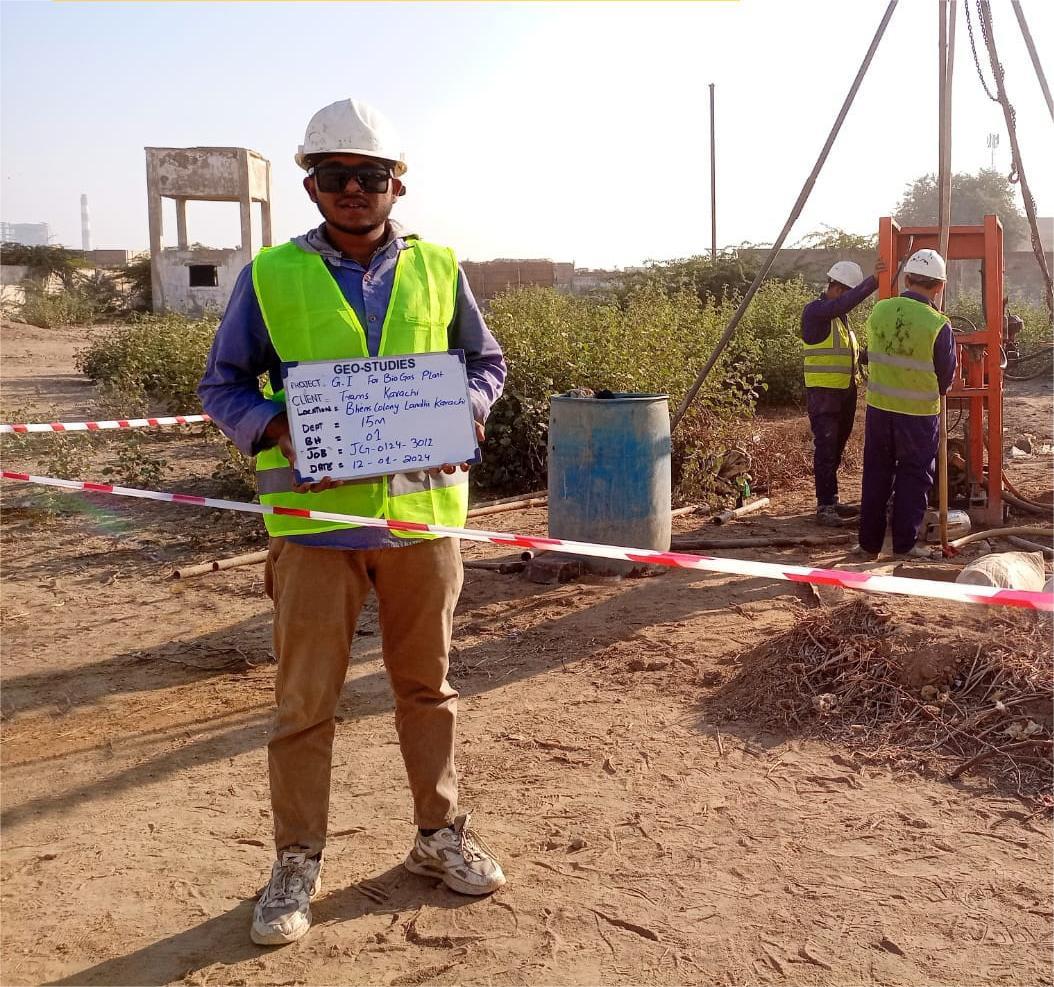
The standard penetration test is done on site. It measures how resistant the soil is to penetration. A tool is driven into the ground, and the resistance is recorded.
This test helps understand soil strength at different depths. It provides real time data from the field.
In Pakistan, this test is widely used in construction projects. It helps in making quick and accurate decisions.
Plate Load Test for Real Conditions
The plate load test is used to check how soil behaves under actual load. A plate is placed on the ground, and load is applied gradually.
This test shows how much the soil settles under pressure. It gives a clear idea of how the foundation will perform.
It is often used in large projects where accuracy is very important.
Why All These Tests Work Together
Each soil test provides different information. One test shows strength. Another shows moisture. Another shows soil type.
When all tests are combined, they give a complete understanding of the ground. This helps engineers design safe and efficient foundations.
Skipping any test can lead to incomplete data. This increases risk during construction.
Soil Testing for Different Construction Needs
Different projects require different tests. A small house may need basic testing. A large building may require detailed analysis.
Industrial projects often need more testing because of heavy loads. Infrastructure projects also require advanced soil analysis.
In Pakistan, soil testing is used in all types of construction. It ensures that each project is built on strong ground.
Role of Professional Soil Testing Services
Soil testing requires proper equipment and expertise. Samples must be collected correctly. Tests must be performed accurately.
Professional services ensure reliable results. They provide detailed reports that help in decision making.
Local experience is also important. Soil conditions in Pakistan vary widely. Professionals who understand these conditions provide better solutions.
Choosing the right team ensures that testing is done properly.
Final Thoughts
Soil testing is not a single step. It is a combination of different tests. Each test plays an important role in understanding the ground.
In Pakistan, where soil conditions vary greatly, these tests become even more important. They help prevent structural problems and ensure safety.
Proper soil testing leads to better construction. It saves time, reduces cost, and improves long term performance.
Get Accurate Soil Testing for Your Project
CDC Pakistan provides complete soil testing services across Pakistan. With over 15 years of experience, each project is handled with proper analysis and care. Advanced testing methods are used to ensure accurate results. Whether it is a small construction or a large project, reliable soil testing helps build strong foundations. Contact today to get started.